The real cost of running a car — and the cheapest way to cut it
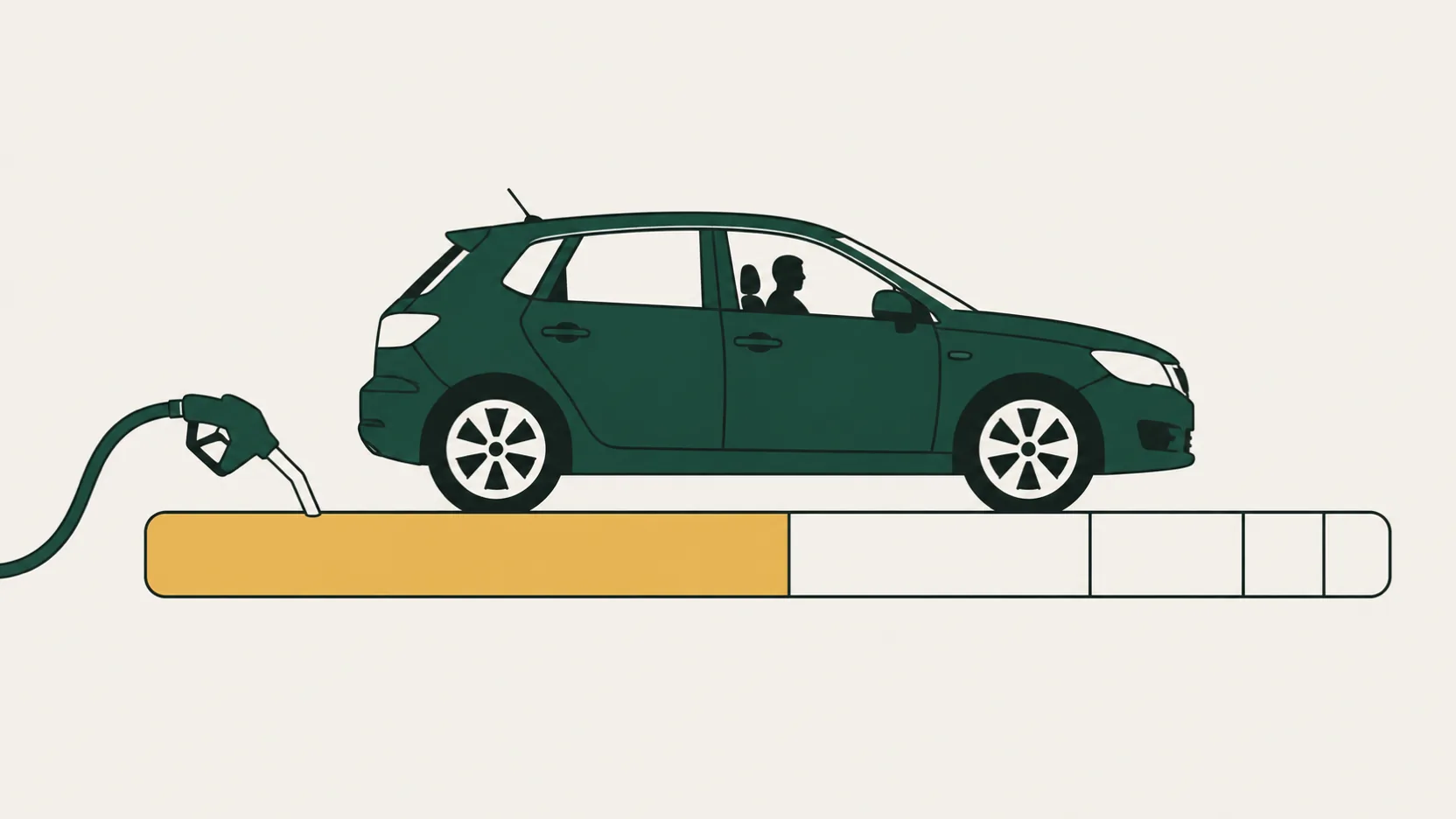
Ask most people what their car costs and they’ll tell you the fuel bill. Add tax, insurance, the MOT, the service, a pair of tyres and what the car lost in value this year, and the number roughly doubles. This guide gives you the whole bill, per mile and per month, from your own numbers, then works through the levers that genuinely move it.
Information, not advice. We don’t recommend products or providers. Car insurance and car finance are regulated: they appear here only as costs you enter yourself. Check the official source linked below before you act.
Why October 2026 is the month to work this out
Three things landed at once.
Diesel went over £2 a litre. On 2 October 2026 the RAC put the UK average at 200.01p a litre for diesel, the first time it has ever passed £2, with petrol at 174.71p. A 50mpg diesel doing 8,000 miles now burns about £1,455 of fuel a year.
The Budget kept fuel duty where it is, but only until July 2027. On 28 October 2026 the Chancellor extended the temporary 5p-a-litre cut, so duty stays at 52.95p a litre instead of starting to climb from April 2027. The official Treasury detail is still being digested, so treat the specifics as reported for now.
The tax-free mileage rate changed too. If you use your own car for work, the Approved Mileage Allowance Payment rose from 45p to 55p a mile for the first 10,000 business miles in April 2026. The Budget made that permanent and, per the RAC’s report, lifts the rate above 10,000 miles from 25p to 35p from April 2027. Knowing your true cost per mile tells you whether that rate actually covers you.
What a car really costs per mile
The calculator pre-fills national averages and published rates, but every box is yours to change: your insurance renewal, your real mpg, your mileage.
A worked example: the £10,000 petrol hatchback
Take a four-year-old petrol car worth about £10,000, doing 8,000 miles a year at a real-world 40mpg, with the driver paying £600 a year for insurance. At the October 2026 petrol price:
| Cost line | A year | Notes |
|---|---|---|
| Fuel | £1,588 | 200 gallons × 4.546 litres × 174.71p |
| Depreciation | £1,500 | 15% of £10,000 — the line most people leave out |
| Insurance | £600 | your own renewal figure |
| Servicing and repairs | £305 | Which? owner-survey average, petrol car aged 5–9 |
| Vehicle tax (VED) | £200 | 2026/27 standard rate |
| Tyres | £150 | about two mid-range tyres a year |
| MOT | £55 | the £54.85 legal maximum |
| Total | £4,398 | £367 a month · 55p a mile |
Fuel is just over a third of it. Depreciation, the cost nobody writes a cheque for, is almost as big. Strip it out and you still spend around £2,900 a year, £241 a month, keeping the car legal and moving.
The takeaway: at 55p a mile, a 20-mile round trip costs you £11, not the £4 of petrol it feels like. Price every “I’ll just drive” decision at the full rate and the car gets used more deliberately on its own.
The same sums for an older car and an EV
A ten-year-old car worth £3,000 on the same mileage loses perhaps 5% a year, so depreciation drops to £150. Everything else being equal the bill falls to about £3,050 a year, £254 a month, 38p a mile. That is the quiet case for keeping a reliable older car.
An electric car charged at home does the fuel line very differently. At the Ofgem price-cap unit rate for October to December 2026 of 26.32p per kWh, 8,000 miles at 3.5 miles per kWh costs about £602 a year, roughly £1,000 less than the petrol car. Set against that: EVs have paid vehicle tax since 1 April 2025 (£10 for the first year, then the £200 standard rate), the Budget is reported to have confirmed a 3p-a-mile charge for EVs from April 2028, public rapid charging stays at 20% VAT and typically costs several times the home rate, and a newer car usually means heavier depreciation. Pick “Electric” in the calculator and enter your own tariff and car value to see where you land.
How to cut the cost of running your car
The levers, in order of how much they tend to move the number.
1. Drive fewer miles — but understand what it does to the per-mile figure
Driving 20% less is the single biggest saving most people can make, and the “Drive 20% fewer miles” toggle shows it: in the worked example it saves about £318 a year, all of it fuel. Notice what it does to cost per mile, though. The fixed bills are spread over fewer miles, so each remaining mile costs more. If you’re deciding whether to keep a second car at all, that’s the number to look at.
2. Adopt a pay-as-you-drive mindset
Most car costs feel fixed, so individual journeys feel free. Flip it: put your real cost per mile on a sticky note on the dashboard and treat every journey as a purchase at that price. Combining errands, walking the half-mile to the shop, or taking the train for the long trip all look different at 55p a mile than at “just the petrol”. The budget planner will show how big a slice of your money the car really takes.
3. Check your tyre pressures (free, and the thing people skip)
Under-inflated tyres increase fuel consumption and wear out faster — the government’s own motoring advice lists correct pressures alongside the bigger driving-style wins. Check them monthly when the tyres are cold; the right pressures are on a sticker inside the driver’s door or in the handbook.
4. Drive like it costs money, because it does
The government’s long-standing guidance puts numbers on it: at 85mph a car uses about 25% more fuel than at 70mph, and at 70mph about 10% more than at 60mph. A roof box at motorway speed can add around 25% to consumption, so take it off when you’re not using it. Smoother driving and a lighter boot were credited with savings of 8% or more — £127 a year on a £1,588 fuel bill.
5. Use a fuel-finder app (we don’t earn anything from these)
Since 2 February 2026 the government’s Fuel Finder scheme has required every forecourt to publish its live prices, with updates within 30 minutes of any change. The data flows into the RAC and AA apps, PetrolPrices, and is being added to the big navigation apps. Prices on the same road can differ by several pence a litre. Every 5p a litre you save on 1,000 litres a year is £50 for checking an app before you fill.
6. Time your MOT, and never pay more than the maximum
The most a garage can charge for a car MOT is £54.85; plenty charge less. You can have the test up to a month (minus a day) before the current certificate expires and keep the same renewal date, so book early, when you have time to shop for the price and fix anything it throws up calmly rather than under a deadline.
7. Don’t let the service bill drift
The Which? owner survey published in October 2026 found a franchised dealer service averaged £361 against £260 at a local independent. For a car out of warranty, a good independent garage with the right diagnostic kit is usually the cheaper choice. If the car is still under warranty, check the terms before switching: many allow independent servicing if the schedule and approved parts are followed, but read yours first.
The two bills you can actually shop around
Most lines in your breakdown are either fixed by law (VED, MOT maximum) or regulated financial products we deliberately don’t compare here (insurance, finance). Two are ordinary purchases where a few minutes online genuinely pays: tyres and the MOT or service booking itself.
Tyres. A mid-range tyre fitted typically costs around £70–£80 (check your size on a fitter’s site — prices vary a lot); budget tyres £50–£60; premium £200 and up. Front tyres last about 20,000 miles, rears roughly twice that. The trick is to buy on the tyre’s EU label (wet grip and fuel efficiency ratings are printed on it), not the brand name, and to price the fitted cost, since a cheap tyre plus a dear fitting charge is no bargain. Online fitters such as Blackcircles and Halfords let you compare fitted prices for your exact size before you commit, and the local independent will often match them if you ask.
MOT and servicing. Booking platforms and national chains publish MOT and service prices up front, which makes them a useful benchmark even if you end up using your usual garage. Halfords lists its MOT price online; compare it with two local independents and you’ll know in five minutes whether you’re paying over the odds. A combined MOT-and-service slot is usually cheaper than booking the two separately.
What about insurance and finance?
They’re in the calculator because they’re real costs, often the biggest after fuel, but we don’t estimate them, compare them or name anyone who sells them. Both are regulated financial products. What we can say:
- Insurance is the line most worth re-checking each year rather than auto-renewing. Our car insurance explained guide covers what the cover levels mean and the honest ways people pay less, without pointing you at a provider.
- Finance or a loan should go into the monthly box exactly as it appears on your statement. If you’re deciding whether a newer car on finance is worth it, the “Switch car” toggle shows what better mpg saves in fuel, and the depreciation line shows what a newer car costs in value lost. Put the two side by side before the showroom does the maths for you.
When switching car actually saves money
The “Switch car” toggle answers a narrow question honestly: at your mileage, what does better fuel economy save? Going from 40mpg to 55mpg in the worked example saves about £433 a year in fuel. That’s real, but small next to the £1,500 a year a £10,000 car loses in value, let alone what a newer one would. A more frugal car usually pays for itself only if you do big miles or were changing anyway; a paid-for, reliable, slightly thirsty car is very hard to beat on cost per mile. The exception is when repairs start costing more each year than the depreciation you’d take on a replacement — the servicing line in your breakdown will tell you.
Frequently asked questions
How much does it cost to run a car per month in the UK?
About £365 a month for our worked example: a 3–5-year-old petrol car worth £10,000 doing 8,000 miles a year at 40mpg, with fuel, tax, insurance, MOT, servicing, tyres and depreciation all counted. Fuel is around £130 of that. Your figure depends most on mileage, insurance and how new the car is.
What is the average cost per mile of running a car?
About 55p a mile all-in for the worked example, of which fuel is roughly 20p. An older, paid-for car comes in lower (around 38p in our 10-year-old example); a new car on finance comes in much higher.
How much is car tax (VED) in 2026/27?
The standard rate for cars first registered on or after 1 April 2017 is £200 a year from 1 April 2026 to 31 March 2027. Electric cars have paid vehicle tax since 1 April 2025: £10 in the first year, then the standard rate. Cars with a list price over £40,000 (over £50,000 for EVs registered from 1 April 2025) pay an extra £440 a year for five years from the second year. Older cars are taxed by engine size or CO2 band, so check your own on your V5C or gov.uk.
Did the October 2026 Budget change fuel duty?
The Chancellor extended the temporary 5p-a-litre cut, keeping duty at 52.95p a litre until July 2027, as reported by the RAC from the Budget statement. VAT on petrol and diesel was not cut.
Does driving fewer miles cut my cost per mile?
It cuts your total bill but raises your cost per mile. Driving 20% fewer miles saves 20% of your fuel, but tax, insurance, MOT and most depreciation don’t change, so each remaining mile carries more of the fixed cost. That’s why the calculator shows both.
Is it cheaper to run an electric car?
On energy alone, usually yes if you charge at home: about £600 a year for 8,000 miles at the Oct–Dec 2026 cap rate, against roughly £1,590 in a 40mpg petrol car. But EVs now pay vehicle tax, a 3p-a-mile charge is planned from April 2028, public charging costs far more, and a newer car depreciates faster.
Want the rest of your spending in the same clear view? Try the 50/30/20 budgeting rule, or browse all our tools.
Sources
- GOV.UK — Vehicle tax rate tables (2026/27)
- GOV.UK — Vehicle tax for electric and low-emission vehicles
- GOV.UK — Travel, mileage and fuel rates and allowances (AMAP 2026/27)
- GOV.UK — MOT test fees
- GOV.UK — Getting an MOT (earliest test date)
- GOV.UK — Fuel Finder
- GOV.UK — Save money on your holiday driving (speed and roof-box figures)
- RAC — Autumn Budget 2026, what it means for motorists (28 Oct 2026)
- ITV News — Average UK diesel price passes £2 for the first time, RAC says (2 Oct 2026)
- Ofgem — Energy price cap unit rates (Oct–Dec 2026)
- Which? — Car maintenance costs (owner survey, published 2 Oct 2026)
- Motorway — Car depreciation guide (2022–25 used-price data)
Just so you know: this guide is information and journalism, not financial advice, and we don't recommend specific financial products. Your circumstances are your own — if you need personal advice, speak to a suitably qualified adviser. Information was correct at the "last updated" date above but things change; always check the linked primary sources.